
Unlike fatty liver disease, which is often reversible, pancreatic damage is a one-way street. For young adults in their 20s and 30s, binge drinking might seem harmless, but it lays the groundwork for pancreatitis later in life. Education and awareness are key—understanding that every drink contributes to cumulative risk can motivate behavioral change before it’s https://ecosoberhouse.com/ too late. The National Institute on Alcohol Abuse and Alcoholism recommends no more than 4 drinks per day for men and 3 for women, with at least 2 alcohol-free days weekly. However, for those with a history of heavy drinking, even these limits may be too high.
Risks of Alcohol Consumption for People with Diabetes
- Alcohol acts as a depressant, slowing down brain function and affecting the brain’s ability to regulate the body’s systems.
- But studies have found that drinking, especially heavy drinking, can increase your risk of having diabetes.
- While moderate drinking may have less impact, consistent or heavy consumption can still contribute to diabetes risk by increasing weight gain, affecting insulin sensitivity, and causing pancreatic damage.
- Still, binge drinking can overwhelm this system causing transient hyperglycemia (high blood sugar) followed by hypoglycemia later as liver stores deplete.
Ketoacidosis, which occurs primarily in diabetics, is a condition characterized by excessive levels of certain acids called ketone bodies (e.g., acetone, acetoacetate, and β-hydroxybutyrate) in the blood. Elevated levels of those compounds can cause nausea, vomiting, impaired mental functioning, coma, and even death. Ketoacidosis is caused by complete or near-complete lack of insulin and by excessive glucagon levels. Among their many functions, insulin and glucagon regulate the conversion of fat molecules (i.e., fatty acids) into larger molecules (i.e., triglycerides), which are stored in the fat tissue. In the absence of insulin, the triglycerides are broken down into free fatty acids, which are secreted into the bloodstream and delivered to the liver. The liver normally re-incorporates free fatty acids into triglycerides, which are then packaged and secreted as part of a group of particles called very low-density lipoproteins (VLDL).
How To Control High Triglycerides If You Have Diabetes?
It may be that the toxic byproducts of alcohol in your blood cause an inflammatory response in your pancreas, or they somehow chemically activate the digestive enzymes inside your pancreas. Scientists estimate that heavy alcohol use accounts for around half of both acute pancreatitis and chronic pancreatitis cases. That sort of double impact can cause blood sugar levels to drop to dangerously low levels, a condition known as hypoglycemia. However, the organization recommends that females with diabetes limit their consumption to one drink per day and males limit their consumption to two drinks per day.
What Role Does Alcohol Play in Causing Low Blood Sugar Levels?
For younger adults (ages 18–25), who are statistically more prone to blackouts, setting a drink limit before going out can provide a practical safeguard. Ultimately, knowledge about how different alcoholic drinks influence your body empowers better decisions preventing dangerous highs or lows in blood sugar. This awareness is especially crucial for those managing chronic conditions but benefits everyone aiming for balanced health. Certain medical conditions beyond diabetes treatment can cause low blood sugar. These include hormonal deficiencies, severe infections, or liver disorders that affect glucose production and regulation in the body.

Heart Disease: Chronic drinking increases risk of irreversible heart muscle damage and stroke
This makes it hard to know exactly how much Red Bull could lead to a caffeine overdose. The review suggests that taurine in Red Bull and other energy drinks may be a contributing factor to acute kidney injury. Research suggests a link between type 2 diabetes and the consumption of sugar-sweetened drinks. Increases in heart rate and blood pressure may be due to the caffeine and stimulant content of Red Bull. However, despite its popularity, there are concerns about side effects, especially if mixed with alcohol.
Excessive alcohol consumption is linked to increased insulin resistance and impaired glucose metabolism, potentially contributing to the development of type 2 diabetes. Heavy drinking can disrupt glucose metabolism, potentially leading to insulin what happens if a diabetic drinks too much alcohol resistance over time. Binge drinking, in particular, has been shown to trigger systemic insulin resistance that lasts beyond the period when alcohol is present in the body. But studies have found that drinking, especially heavy drinking, can increase your risk of having diabetes. Heavy drinking is considered to be at least five drinks per day (or 15 per week) for a man or person assigned male at birth, and four drinks a day (or eight per week) for a woman or person assigned female at birth.

Health Conditions: Chronic illnesses like diabetes or kidney disease can lower tolerance
In addition, insulin Sober living house inhibits the production of more sugar molecules (i.e., gluconeogenesis) in the liver. Accordingly, it promotes gluconeogenesis and the breakdown of glycogen into glucose. The type and composition of food also play a critical role in alcohol absorption. High-fat and high-protein meals are particularly effective in slowing absorption because they require more time to digest.
- Short-term alcohol consumption can lead to hypoglycemia, especially when combined with diabetes medications like insulin.
- This can lead to shock and multiple organ failure, which can be fatal if it isn’t treated quickly.
- When an individual consumes excessive amounts of alcohol, their body undergoes a series of complex physiological changes.
What are some safer drinking guidelines for people with diabetes?
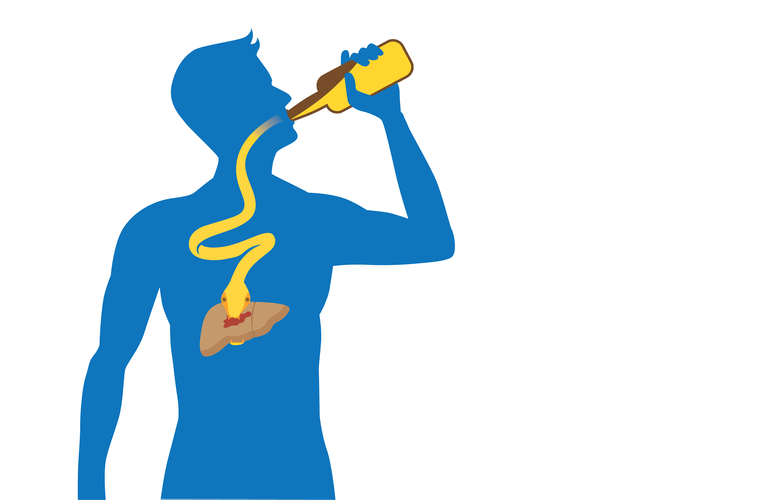
Ultimately, understanding how the body responds to excessive alcohol intake is key to preventing alcohol-related harm and promoting healthier lifestyle choices. Excessive alcohol consumption impairs liver function, disrupting its critical role in blood sugar regulation. The liver acts as a glucose reservoir, storing excess sugar as glycogen and releasing it when levels drop. Chronic alcohol intake depletes glycogen stores, hindering this release and leading to hypoglycemia. Simultaneously, alcohol interferes with gluconeogenesis, the liver’s process of producing glucose from non-carbohydrate sources, further destabilizing blood sugar levels. This dual disruption creates a precarious balance, particularly dangerous for individuals with pre-existing metabolic vulnerabilities.
They reduce production of VLDL particles laden with triglycerides while promoting their clearance from blood vessels. Regular exercise increases enzymes called lipoprotein lipase that break down circulating triglycerides into usable energy. Meanwhile, fiber-rich foods slow carbohydrate absorption and blunt insulin spikes that trigger fat synthesis. Excess calories—especially from sugars and refined carbs—are converted into fatty acids by the liver. These fatty acids then assemble into triglycerides that circulate in the bloodstream.
Awareness and moderation are key to maintaining a healthy pancreas and, by extension, preventing the onset of diabetes. Long-term heavy drinking can significantly worsen diabetes management by increasing blood glucose levels and A1C, which may result in severe complications due to impaired liver function and chronic insulin resistance. Reducing or moderating alcohol intake lowers the risk of developing Type 2 diabetes and its complications. Adopting a balanced diet, rich in whole foods and low in processed sugars, supports stable blood glucose levels.
Chronic pancreatitis
- This phenomenon occurs because the body’s enzymes and receptors, which metabolize and respond to alcohol, adapt to lower exposure over time.
- For those over 40 or with pre-existing health conditions, reducing intake of high-ABV beverages is critical.
- However, the organization recommends that females with diabetes limit their consumption to one drink per day and males limit their consumption to two drinks per day.
- When you drink alcohol, the liver has a difficult time doing both of these jobs at the same time.
For many people, the occasional glass of alcohol does not pose a problem. However, for people with diabetes, alcohol consumption can affect blood sugar levels. If you have chronic pancreatitis, it’s paramount that you quit drinking alcohol and quit smoking. These factors both contribute greatly to pancreatitis and will speed up the progression of the disease. Your healthcare provider can connect you with resources to help you quit. It’s also important to maintain a low-fat diet with plenty of fruits and vegetables and to drink plenty of water each day.
Nora D. Volkow, director of the National Institute for Drug Abuse, also co-authored the study. Sometimes hypoglycemia symptoms occur after certain meals, but exactly why this happens is uncertain. What’s more, as it’s high in sugar and has little nutritional value, you may benefit from choosing alternatives to help boost your energy levels, such as coffee or tea. However, others suggest Red Bull may cause significant increases in both parameters, particularly in comparison to people who drank tap water. First sold in 1987 in Austria, Red Bull is a carbonated drink containing caffeine and other energy-boosting compounds, including several B vitamins and taurine.